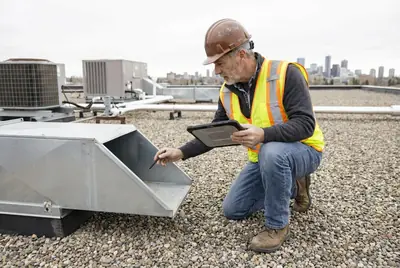
Roof and gutter surveys
Trough walked end to end, outlets probed, falls checked, every defect photographed and priced in one document.

Property managers across Estill County put their gutter list in our book: planned interventions, storm callouts and paperwork that holds up.
The call costs nothing and commits you to nothing. Where a survey carries a call-out charge, the coordinator names it before the visit is booked; the proposal follows in writing.
Keeping the water away from your foundation is the best way to maintain a building. When those long horizontal metal troughs around your roof leak or sag, they stop protecting your structure from rot and water damage. Requesting a free quote helps you identify the exact fix you need without any further delay.
Properly functioning drainage systems move rainwater away from walls to keep the siding dry and clean. These metal channels act as a shield against overflow that can damage your landscaping or even your basement. That protection means you avoid expensive structural repairs later on.
Neglecting these systems leads to heavy debris accumulation inside the troughs over time. When weight builds up, it pulls the hardware away from the fascia boards and creates sagging spots. A professional who knows local weather patterns will ensure your setup handles heavy storms with ease.
Water dripping from joints indicates that the sealant has cracked or deteriorated completely. You might see rust streaks forming along the sides which show that the metal is losing its thin protective coating. These leaks cause erosion around your property line and might even pool against the slab.
Cracks in the metal or loose brackets are common issues after a rough season. When you notice peeling paint near the eaves, it means moisture is already creeping behind the metal. Fixing these small spots now saves you a massive headache when the next big storm hits Estill County.
A good local pro brings the right tools to climb high and assess the damage safely. They will check the pitch of the metal to ensure water flows toward the downspouts instead of sitting still. This gravity-fed design is essential for preventing stagnant water that attracts mosquitoes or causes heavy corrosion.
Make sure to verify that the person you hire is licensed and carries proper insurance for your safety. Asking for a written estimate allows you to compare costs and understand what exactly is being replaced or sealed. A clear plan ensures you receive quality work without any hidden surprises at the end.
| Material Type | Pros | Cons | |
|---|---|---|---|
| Seamless Aluminum | No leaking joints | Needs professional tools | |
| Heavy Gauge Steel | Extremely durable | Can develop rust | |
| Copper Systems | Long lifespan | Expensive upfront cost |
Choosing the right metal depends on the local environment and how much maintenance you want to perform. Aluminum is popular because it resists rust well and fits most budgets easily. However, you should talk to a local pro about what works best for your specific roof slope.
Getting a handle on these repairs creates a sense of peace of mind while you protect your investment. You deserve to have a building that stays dry even when the skies open up. Take control of your property maintenance today by getting a free quote from a pro serving this area.
Describing your specific issue helps a professional understand your needs before they arrive. They will look at the length of the metal runs and the condition of the support brackets. This preparation lets you move forward with a plan that fits your budget and timing perfectly.
Long steel eaves and valley troughs that drain acres of roof. One failed outlet here does not stain a ceiling, it shuts an aisle. We keep the runs flowing and the racking dry.
Water over a shopfront costs trade the same hour it starts. Cleaning rounds land before the leaves do, and repairs go in before opening or after close.
Parapet and internal gutters above occupied floors call for quiet, planned work. Tenants get a notice, the manager gets a report, the leak gets an end date.
Gym halls, canteens and covered walkways with drainage nobody looks at until it drips on a corridor. Term breaks and weekends are when our lifts show up.
Boards need one accountable contractor, one schedule and paperwork the AGM can read. We price the whole set of buildings and report on each one separately.
Sites that never close and cannot smell of sealant in the morning. Work is staged wing by wing, agreed with facilities, documented for the operator.
Slide through the six lines of work. Every one ends with photos in your inbox.
Trough walked end to end, outlets probed, falls checked, every defect photographed and priced in one document.
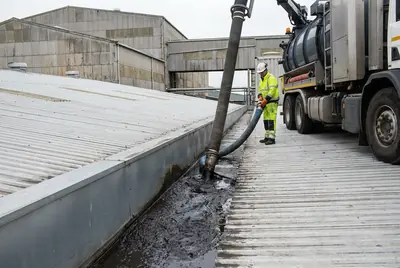
Eaves and internal gutters cleared on agreed dates, debris bagged and off site, downpipes flushed until they run.
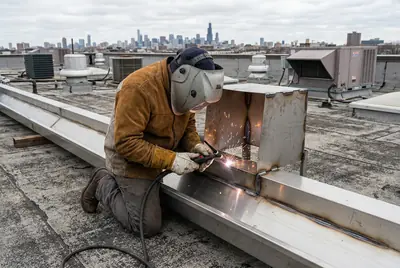
Split seams cut out and rewelded or resealed, movement joints rebuilt so thermal cycling stops reopening them.
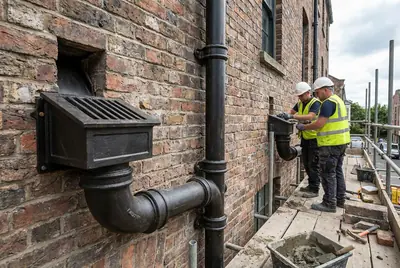
Blocked heads rodded or replaced, leaf grates fitted, discharge checked all the way to the drain it feeds.
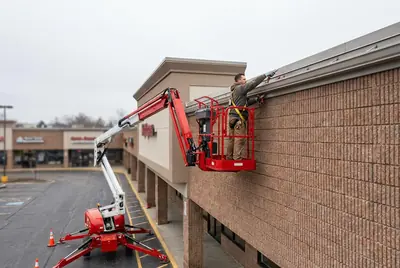
Boom and scissor lifts sized to the yard, harnessed operators, exclusion zones agreed with the site before wheels arrive.
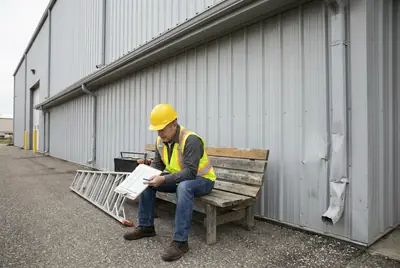
Fixed visits, storm priority and one renewal date across a whole portfolio, with a file of reports behind every building.
Plenty of buildings only need us once. The ones with tenants, deadlines and insurance renewals tend to prefer a standing arrangement. Here is the difference, plainly.
| One-off intervention | Service contract | |
|---|---|---|
| When something leaks | You call, we schedule the next open slot | Contract sites jump the queue, with a target response written into the agreement |
| How the price works | Quoted per intervention, after a survey | Fixed annual figure for the planned rounds, agreed rates for anything extra |
| Reporting | One photo report for the visit | A running file per building: condition notes, dates, photos and what to budget next |
| When storms roll through | Callouts taken in the order they land | Your buildings are checked and cleared first, before the phones start |
Contracts run per building or across a portfolio, and either way you keep one coordinator and one renewal date.
One call to (855) 629-1449 books the visit. A surveyor then walks the roof, meters the troughs, photographs defects and asks how the building trades before proposing anything.
Scope, price, access plan and dates on one document, inside 24 business hours. It names what can wait, too.
Crews arrive in the agreed window, nights or weekends where the site needs them, with insurance papers already sent ahead.
Before and after shots, quantities used and anything spotted for next time, filed to whoever signs the invoices.
| Line of work | Usual bracket | Behind the number |
|---|---|---|
| Survey and condition report | Named on the call | Defects, photos, quantities and a plan you can act on with anyone; any call-out charge is stated before the visit. |
| Contract cleaning, eaves and troughs | $2 - $5 / lin ft | Per round, debris removed from site, downpipes flushed through. |
| Joint and seam resealing | $9 - $19 / lin ft | Leaking laps cut back, cleaned and rebuilt along the affected length. |
| Trough relining, metal or membrane | $26 - $58 / lin ft | The right liner for the trough and the budget, stated in the proposal. |
| Overflow emergency callout | $380 - $950 | Attendance, clearing the blockage and making the run safe until the planned fix. |
Eaves height, roof access and how many seasons of debris are sitting in the trough all move these brackets. The survey pins them down, and hearing the figure commits you to nothing.
Commercial gutters live at commercial heights, so the boring parts of this trade are the ones we take most seriously. Crews work from boom lifts, scissor lifts or fixed edge protection depending on the building, harnessed where the roof demands it, and the access plan is written into the proposal rather than improvised in the yard on the morning.
We carry the insurance a landlord expects a roof contractor to carry, and certificates and attestations go out on request before anyone mobilizes. Where a site runs inductions, badges or permit-to-work rules, tell the coordinator once and every crew we send after that arrives already knowing the drill. The paperwork is never the obstacle; a wet stockroom is.
Yes, and most of our work runs that way. Purchase order references go on the proposal and the invoice, payment terms are agreed before the first visit, and a portfolio can be billed per building or on one consolidated account, whichever your bookkeeping prefers.
Ask the coordinator and it lands in your inbox before the crew is scheduled. Landlords, agents and principal contractors all get the same documents, made out the way their lease or contract requires.
Yes. Retail, healthcare and busy loading yards often leave no other choice, so off-hours windows are part of the proposal, not a surcharge sprung on you later. The site tells us when it can breathe and we plan inside that.
Almost never. Gutter work happens from the roof and from lifts standing outside the walls, so the inside of the building keeps running. Where an internal gutter does force access from within, it is planned with your facility contact around the operations below.
Inside 24 business hours of the survey. It covers scope, price, access and dates in one document, and it is written so a board or an owner who never saw the roof can still follow the reasoning.
That is what most of our contracts do. Each building keeps its own schedule, condition file and reports, while the portfolio shares one coordinator, one rate card and one renewal date.
Terrain first, addresses second: the linked pages beneath the map spell out each community a crew can be routed to from this base.
One survey puts your building on the route sheet. The rest is planning.
Call (855) 629-1449