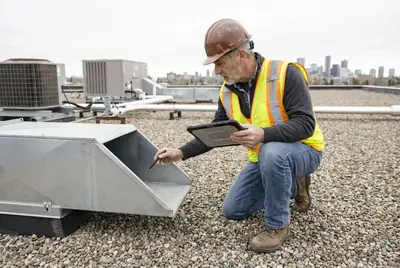
Roof and gutter surveys
Trough walked end to end, outlets probed, falls checked, every defect photographed and priced in one document.

Buildings in Chicago sit on our route sheet for Cook County: surveyed, repaired and cleaned under contract, with a report after every visit.
Survey booked by one callback, proposal in writing, decision yours.
Is your business building's outdoor water system acting up? Ignoring those leaks can really mess things up, costing you way more later. Let's chat about getting those big rain channels fixed up right, for free.
Honestly, sometimes we just don't think about the things that are always there, doing their job quietly. Then again, those important water lines running along your business's roofline are working hard every single time it rains, directing tons of water away from your walls and foundation. Because of this constant work, they can get tired, busted, or just plain worn out over time, especially in a busy place like this city where nearly three million people live.
Consequently, when these crucial exterior water routes stop doing their job, it's not just a small drip you're dealing with. Instead, it's like a tiny crack in a dam, eventually leading to a whole lot of trouble, and you might not even notice until it's a big problem. What's more, getting those heavy-duty water conduits looked at now can save you a mountain of headaches and unexpected expenses down the road, which is always a good thing for any company.
You see, a little drip from your commercial property's water diversion system might seem like no big deal at first. However, that seemingly harmless drip can slowly but surely start eroding your building's foundation, turning a small issue into a costly structural repair. Furthermore, water damage doesn't just stop at the foundation; it can sneak into walls, causing wood to rot and promoting nasty mold growth inside your building.
Moreover, if you let it go on too long, that persistent trickle can even damage the landscaping around your property, washing away soil and destroying plants, which kinda ruins the whole curb appeal thing. Also, it's not just about the outside; water seeping into your building can mess up inventory, equipment, and even the air quality inside, making for a not-so-great vibe for your employees and customers alike.
Another thing is that when the rooftop water system on a big building isn't doing its job, water has to go somewhere, right? So, instead of being directed away, it can overflow, creating mini-waterfalls off the roof and splashing directly onto your building's siding and windows. This continuous splashing will eventually stain and damage the exterior of your business, making it look pretty shabby and worn out.
Believe it or not, standing water around your business entrance from faulty rain-catching troughs also creates a serious slip hazard for anyone walking by. Ultimately, that's not just bad for business; it can lead to unfortunate accidents and potential liability issues, which nobody wants to deal with. Thus, making sure your building's exterior drainage is working properly is about more than just dryness; it's about safety too.
Sometimes, your business building might be giving you subtle hints that its large-scale rain handling equipment needs some attention. Often, you might just notice something is "off" but can't quite put your finger on it. So, learning to spot these clues early can be a real game-changer for protecting your investment and keeping everything running smoothly.
For instance, have you ever walked around your commercial property after a downpour and thought, "Hmm, that doesn't look right?" Well, trust your gut, because those feelings usually mean something is definitely going on with your building's exterior water routes. Let's dig into some of the more obvious (and some not-so-obvious) signs that it's time to get those rooftop water channels checked out.
Basically, the most obvious signs are usually right there staring you in the face. For example, if you see water literally spilling over the sides of your heavy-duty water conduits during a rainstorm, that's a dead giveaway something's wrong. Furthermore, you might notice streaks or stains on the side of your building, which are clear indicators that water isn't being channeled away correctly and is instead running down your walls.
Moreover, take a look at the ground around your commercial structure. Are there puddles forming where they shouldn't be, especially near the foundation or directly underneath your rain-catching troughs? In addition, if you spot parts of the water diversion system hanging loose, bent, or even completely detached from the building, that's a pretty clear sign that it needs immediate attention before things get worse.
Another visual cue is if you find rust spots or peeling paint on the exterior of your building, particularly around the edges of the roof where the exterior water lines are. This corrosion and paint damage are often direct results of constant moisture exposure from faulty or overflowing systems. Indeed, a quick walk-around your property after a good rain can reveal a lot, so make it a habit.
Sometimes, the signs aren't just things you see with your eyes; you might actually hear them too. Have you ever heard a strange dripping noise inside your business, especially when it's raining outside? That sound could be water finding its way into your building because your roof-edge water routes are failing.
Additionally, what about weird smells? Mold and mildew have a distinct, musty odor, and if you start smelling that inside your commercial space, it's a big red flag that water is getting in where it shouldn't. Consequently, this isn't just unpleasant; it can be a health concern, making that quick fix even more urgent for your building's interior air quality.
Furthermore, if you notice an increase in pests like mosquitoes, rodents, or even certain insects around your property, standing water from a busted exterior water line could be creating a perfect breeding ground for them. This creates another problem that affects the well-being and overall appeal of your business environment. Ultimately, it's all connected, so don't ignore those subtle hints your building is sending you.
Once you've spotted those tell-tale signs that your business's exterior water routes are having a tough time, the next step is figuring out what to do about it. It's not always about tearing everything down and starting fresh; sometimes, a simple fix can make a world of difference. Understanding the different kinds of issues helps you get a clearer picture of the situation.
Ultimately, our main goal is to get your building's large-scale rain handling equipment back in tip-top shape, so it can do its job effectively and protect your property. We look at everything from the little stuff that can cause big problems to those situations where a larger intervention might be necessary. That's why we take the time to really understand what's going on.
Often, the issues with your commercial property's water diversion system are actually pretty simple to fix if caught early enough. For example, sometimes a joint might have come loose, or a section could just be sagging a bit, causing water to pool instead of flow. We can usually secure these loose parts or re-pitch the sections to ensure proper drainage.
What's more, cracks and small holes are common, especially from wear and tear or maybe even minor impact. We can patch up these minor damages using strong, durable sealants and materials specifically designed for heavy-duty water conduits. This prevents those tiny leaks from turning into major waterfalls that damage your building's structure and operations.
Another frequent culprit is clogging, which can happen from leaves, debris, or even small animals building nests. Clearing out these blockages is crucial for restoring proper water flow, and sometimes just a thorough cleaning and removal of debris is all it takes to get things working right again. This simple maintenance can prevent future overflow issues and extend the lifespan of your entire system.
However, not all problems are quick fixes, and sometimes parts of your building's rain-catching troughs might be beyond a simple patch-up. If a section is heavily damaged, severely rusted, or warped beyond repair, it really makes more sense to replace that specific portion. This ensures the integrity of the whole system and prevents future problems from a weak link.
Because of this, we carefully remove the compromised section and install a brand-new piece that matches your existing setup and is built to last. We focus on seamless integration, so the new part works perfectly with the old, providing a continuous and effective path for water to travel. That way, you get a strong, reliable solution that stands up to whatever the weather throws at it.
Furthermore, choosing the right materials for any repairs or replacements is super important. We don't just use any old stuff; we use durable, weather-resistant materials that can handle the specific challenges of this region. This means your fixed exterior water lines will last longer and perform better, reducing the chances of needing another repair anytime soon.
Whether it's aluminum, steel, or another heavy-duty material, we make sure it's the best fit for your commercial building's needs and the local climate. Ultimately, this careful selection means you get a more robust and dependable system for managing rainwater, giving you greater peace of mind about your property's protection.
You might be thinking, "Can't I just grab a ladder and try to fix those rain channels myself?" And honestly, for a tiny house, maybe. But for a big commercial building, especially in a bustling place like this city with its 2,718,555 residents, it's a whole different ballgame. There are so many moving parts, so much height involved, and so many things that can go wrong.
Plus, when you're dealing with the exterior water routes of a business, you have to think about safety for everyone around, not just yourself. Seriously, trying to tackle a complex issue on a large-scale rain handling system without the right tools or know-how can be risky, leading to more damage or even injuries. That's why bringing in someone who does this all the time just makes good sense.
Believe it or not, trying to DIY fixes on your heavy-duty water conduits often ends up costing you more in the long run. You might buy the wrong materials, fix it incorrectly, or even miss the real problem entirely, leading to repeat issues and more money spent. However, a professional eye can diagnose the issue correctly the first time, preventing those costly do-overs.
Moreover, by getting those large-scale rain handling systems fixed right the first time, you avoid the escalating damage that neglected water issues cause. Think about it: preventing foundational damage, internal leaks, and exterior decay saves you from much bigger repair bills later. So, investing a little now truly protects your property's value and your business's bottom line.
Furthermore, a properly working exterior water diversion system protects your business assets inside the building, like inventory and equipment, from water damage. This means fewer unexpected expenses and a more stable environment for your operations. Ultimately, it's about smart money management for your property.
Another significant benefit of having well-maintained rooftop water channels is how great it makes your business look. Nobody wants to visit a commercial building that has water stains running down the walls or broken rain-catching troughs hanging precariously. A neat, well-kept exterior gives a much better first impression to clients and customers.
Indeed, a building that looks cared for also reflects positively on your business itself, suggesting attention to detail and a commitment to quality. Maintaining the appearance of your property, which includes keeping your exterior water lines in top condition, contributes to a sense of professionalism and careful management. It's all part of creating an inviting and well-regarded business presence.
Plus, when your building's exterior drainage is functioning properly, you avoid those unsightly puddles and erosion spots around your entryways. This not only keeps things cleaner but also contributes to a more welcoming and safer approach to your business, enhancing the overall experience for everyone who visits.
So, you've heard all about the headaches and the smart solutions for your commercial property's water management system. Now, you might be wondering, "Okay, so what's the next step?" Well, we believe in making things as easy and transparent as possible for you and your business. We know you're busy running things, maybe in one of those 60601, 60602, 60603, or 60604 ZIP codes.
Because of this, we offer a completely free estimate for any issues with your large-scale rain handling equipment. This isn't just a quick glance; it's a thorough inspection to figure out exactly what's going on, what needs to be done, and how much it might cost. We want you to feel totally informed and confident about any decisions you make.
When you reach out to us, we'll schedule a time that works for you to come out to your commercial property. We'll carefully check out your entire exterior water diversion system, from the roof-edge water routes themselves to the downspouts and everything in between. We're looking for all those signs we talked about, and maybe even some you didn't notice.
During this visit, we'll explain what we find in plain English, without all the confusing jargon. We'll show you exactly where the problems are, what caused them, and what options you have to fix them. Our goal is to make sure you understand the situation fully, so you can make the best choice for your business and its future.
One of the things we really stand by is honesty and straightforwardness. After our inspection, we'll give you a detailed, written estimate that clearly outlines all the costs involved. There are no hidden fees or surprise charges down the line; what we quote is what you pay, plain and simple. We know that businesses, especially those in Cook County with a median household income around $55,198, need to watch their budgets.
This allows you to budget accordingly and feel secure in the investment you're making in your property. We want you to feel good about working with us, knowing exactly what to expect. Consequently, our transparent approach helps build trust, which we think is super important in any business relationship.
Ultimately, ignoring those issues with your business's exterior water lines won't make them go away. In fact, they'll only get worse, leading to more significant damage and higher costs later on. So, taking action now is the smartest thing you can do to protect your commercial building and keep your operations running smoothly.
Therefore, if you're noticing any of those tell-tale signs, or even if you just want to make sure your heavy-duty water conduits are in good shape, don't hesitate. You can easily get in touch with us for that free estimate, and let's get those rain-catching troughs working perfectly again. We're here to help you keep your property dry and your business thriving.
Long steel eaves and valley troughs that drain acres of roof. One failed outlet here does not stain a ceiling, it shuts an aisle. We keep the runs flowing and the racking dry.
Water over a shopfront costs trade the same hour it starts. Cleaning rounds land before the leaves do, and repairs go in before opening or after close.
Parapet and internal gutters above occupied floors call for quiet, planned work. Tenants get a notice, the manager gets a report, the leak gets an end date.
Gym halls, canteens and covered walkways with drainage nobody looks at until it drips on a corridor. Term breaks and weekends are when our lifts show up.
Boards need one accountable contractor, one schedule and paperwork the AGM can read. We price the whole set of buildings and report on each one separately.
Sites that never close and cannot smell of sealant in the morning. Work is staged wing by wing, agreed with facilities, documented for the operator.
Slide through the six lines of work. Every one ends with photos in your inbox.
Trough walked end to end, outlets probed, falls checked, every defect photographed and priced in one document.
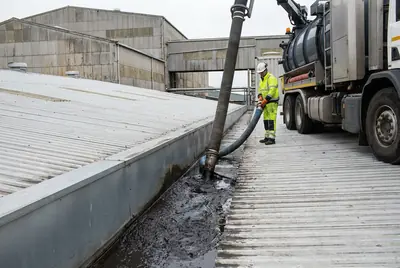
Eaves and internal gutters cleared on agreed dates, debris bagged and off site, downpipes flushed until they run.
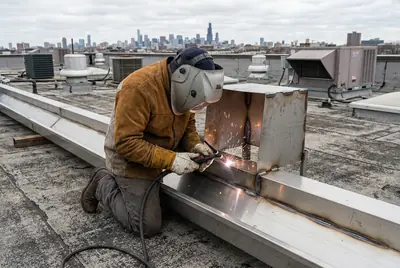
Split seams cut out and rewelded or resealed, movement joints rebuilt so thermal cycling stops reopening them.
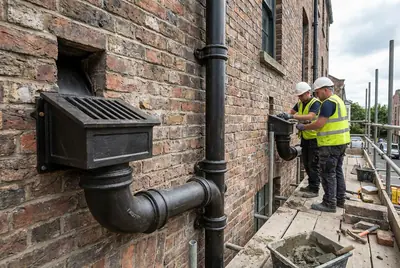
Blocked heads rodded or replaced, leaf grates fitted, discharge checked all the way to the drain it feeds.
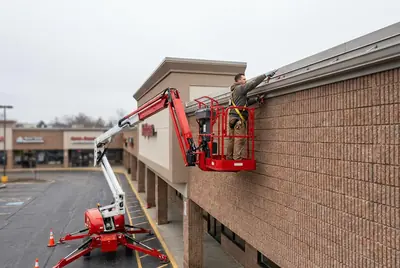
Boom and scissor lifts sized to the yard, harnessed operators, exclusion zones agreed with the site before wheels arrive.
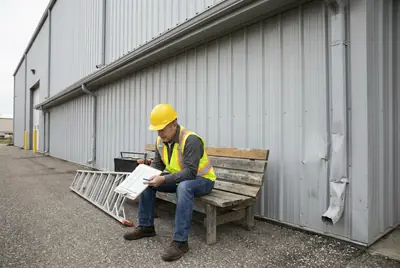
Fixed visits, storm priority and one renewal date across a whole portfolio, with a file of reports behind every building.
Plenty of buildings only need us once. The ones with tenants, deadlines and insurance renewals tend to prefer a standing arrangement. Here is the difference, plainly.
| One-off intervention | Service contract | |
|---|---|---|
| When something leaks | You call, we schedule the next open slot | Contract sites jump the queue, with a target response written into the agreement |
| How the price works | Quoted per intervention, after a survey | Fixed annual figure for the planned rounds, agreed rates for anything extra |
| Reporting | One photo report for the visit | A running file per building: condition notes, dates, photos and what to budget next |
| When storms roll through | Callouts taken in the order they land | Your buildings are checked and cleared first, before the phones start |
Contracts run per building or across a portfolio, and either way you keep one coordinator and one renewal date.
A surveyor walks the roof in Chicago, meters the troughs, photographs defects and asks how the building trades before proposing anything.
Scope, price, access plan and dates on one document, inside 24 business hours. It names what can wait, too.
Crews arrive in the agreed window, nights or weekends where the site needs them, with insurance papers already sent ahead.
Before and after shots, quantities used and anything spotted for next time, filed to whoever signs the invoices.
| Line of work | Usual bracket | Behind the number |
|---|---|---|
| Survey and condition report | No charge | Defects, photos, quantities and a plan you can act on with anyone. |
| Contract cleaning, eaves and troughs | $2 - $5 / lin ft | Per round, debris removed from site, downpipes flushed through. |
| Joint and seam resealing | $9 - $19 / lin ft | Leaking laps cut back, cleaned and rebuilt along the affected length. |
| Trough relining, metal or membrane | $26 - $58 / lin ft | The right liner for the trough and the budget, stated in the proposal. |
| Overflow emergency callout | $380 - $950 | Attendance, clearing the blockage and making the run safe until the planned fix. |
Eaves height, roof access and how many seasons of debris are sitting in the trough all move these brackets. The survey pins them down, and the survey costs nothing.
Commercial gutters live at commercial heights, so the boring parts of this trade are the ones we take most seriously. Crews work from boom lifts, scissor lifts or fixed edge protection depending on the building, harnessed where the roof demands it, and the access plan is written into the proposal rather than improvised in the yard on the morning.
We carry the insurance a landlord expects a roof contractor to carry, and certificates and attestations go out on request before anyone mobilizes. Where a site runs inductions, badges or permit-to-work rules, tell the coordinator once and every crew we send after that arrives already knowing the drill. The paperwork is never the obstacle; a wet stockroom is.
Yes, and most of our work runs that way. Purchase order references go on the proposal and the invoice, payment terms are agreed before the first visit, and a portfolio can be billed per building or on one consolidated account, whichever your bookkeeping prefers.
Ask the coordinator and it lands in your inbox before the crew is scheduled around Chicago. Landlords, agents and principal contractors all get the same documents, made out the way their lease or contract requires.
Yes. Retail, healthcare and busy loading yards often leave no other choice, so off-hours windows are part of the proposal, not a surcharge sprung on you later. The site tells us when it can breathe and we plan inside that.
Almost never. Gutter work happens from the roof and from lifts standing outside the walls, so the inside of the building keeps running. Where an internal gutter does force access from within, it is planned with your facility contact around the operations below.
Inside 24 business hours of the survey. It covers scope, price, access and dates in one document, and it is written so a board or an owner who never saw the roof can still follow the reasoning.
That is what most of our contracts do. Each building keeps its own schedule, condition file and reports, while the portfolio shares one coordinator, one rate card and one renewal date.
Terrain first, addresses second: the linked pages beneath the map spell out each community a crew can be routed to from this base.
| Standing | Incorporated place |
|---|---|
| ZIP codes | 60601, 60602, 60603, 60604 and 80 more |
| Population | 2,718,555 |
| Land area | 227.7 sq mi |
| Density | 11,937 residents per sq mi |
| Median household income | $55,198 |
| County | Cook County |
| State | Illinois |
| Census region | Midwest |
| Country | United States |
| Wikipedia | https://en.wikipedia.org/wiki/Chicago |
One survey puts your building on the route sheet. The rest is planning.
Request service