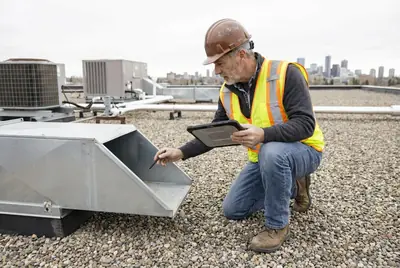
Roof and gutter surveys
Trough walked end to end, outlets probed, falls checked, every defect photographed and priced in one document.

Buildings in Parker sit on our route sheet for Douglas County: surveyed, repaired and cleaned under contract, with a report after every visit.
The call costs nothing and commits you to nothing. Where a survey carries a call-out charge, the coordinator names it before the visit is booked; the proposal follows in writing.
Keeping your building dry prevents costly water damage to the foundation and walls of your property. Proper maintenance of these metal channels around your roofline ensures that melting snow and heavy summer rain flow away from the structure rather than pooling near the building base.
These horizontal metal troughs catch runoff from your roof surfaces to keep the exterior walls free of staining. By channeling moisture into downspouts, they protect the soil against erosion while maintaining the structural integrity of your slab or basement. This controlled water flow stops leaks that could otherwise compromise the weatherproofing of your entire office building.
Moreover, keeping these systems clear of debris helps you avoid the weight of heavy, wet muck that pulls hardware away from the siding. That extra weight often leads to sagging segments which fail to transport water properly during a storm. A properly functioning setup means you avoid expensive repairs to your fascia boards or wooden structural elements.
Visible leaks at the seams or corners indicate that the sealant has dried out or cracked over time. You might notice water dripping behind the trough or overflowing during light rain because the pitch is no longer accurate. These signs show that your system needs immediate professional attention to keep your business premises in top condition.
| Sign of Trouble | Potential Impact | |
|---|---|---|
| Sagging sections | Water pooling near the foundation | |
| Rust spots | Potential for holes and leaks | |
| Detached hangers | Risk of falling hardware | |
| Overflowing water | Damage to exterior siding |
Addressing these issues early saves you significant money because minor adjustments prevent major structural failures later. Getting a handle on these repairs ensures your property remains safe for your staff and visitors throughout the seasons. That quick fix stops the domino effect of water damage starting from the roof down to the dirt.
Finding the right person for the job involves checking for a valid license and insurance to protect your investment. Since the population in this area keeps growing, demand for qualified help is high among building owners who value quality. You should ask for a written warranty on all labor and materials before the work begins on your facility.
Checking if the crew knows the local building codes helps ensure the project meets all safety requirements for the region. A skilled technician provides a clear estimate and explains the specific materials they plan to use for your building. This transparent approach gives you the peace of mind that the job will be done correctly the first time.
Properly installed and repaired systems provide a vital defense against the harsh climate of Colorado. You can easily request a free quote to have your drainage system inspected by a qualified local pro today. Getting this information without any obligation lets you plan your maintenance budget effectively for the upcoming months.
You deserve a property that remains dry and secure regardless of the weather outside your doors. Simply describe the details of your project to start the process of finding the right help for your needs in 80134 or 80138. That simple action leads to a healthier building and much lower repair costs in the long run.
Strong metal support brackets hold the weight of the channels against the building frame to prevent sagging. High-quality seam sealant keeps water from escaping through the joints while allowing for the natural thermal expansion of the metal. These durable materials ensure that your investment stays functional even when the temperature shifts rapidly around here.
Effective downspout extensions redirect water several feet away from the concrete to prevent soil saturation and basement seepage. A properly graded gutter system also incorporates leaf guards to keep the channels flowing freely throughout the year. Installing these protective features means you spend less time cleaning and more time focusing on your daily business operations.
Regular inspections of the fascia boards help you catch rot before it spreads to the roof rafters. These wooden members hold the entire drainage assembly in place and need to remain solid to prevent a collapse. Keeping them painted and sealed protects your building from moisture intrusion and keeps everything looking sharp.
Professional gutter flashing acts as a barrier between the edge of the roof and the metal trough to guide all moisture inside. This critical piece of engineering ensures that not a single drop ends up behind the system where it could cause hidden mold growth. That extra layer of protection keeps your building envelope tight and saves you from massive renovation bills.
High winds often cause hardware to loosen over time which creates gaps between the building and the channel. Tightening these connections restores the flow and stops the dripping that creates icy patches during winter months. Addressing these small gaps keeps your walkways safe and prevents liability issues for your business.
Since you want to ensure the best results, look for a technician who understands the specific drainage requirements for large commercial structures. A crew that knows how to handle heavy-duty aluminum or steel will provide a long-lasting solution for your needs. That expertise translates into a reliable system that handles the heavy runoff typical of our local climate.
Obtaining a competitive quote from a local pro gives you the flexibility to choose the best option for your building. You can list the specific sections needing repair to get an accurate assessment of the work involved. Providing this information allows you to move forward with a clear understanding of the costs and the timeline for completion.
You will find that taking care of these small maintenance tasks prevents the need for a total system replacement later on. Requesting your free quote today is the easiest way to start protecting your roof and foundation from the elements. A quick reply from a professional in the area ensures your property stays in top shape all year round.
Long steel eaves and valley troughs that drain acres of roof. One failed outlet here does not stain a ceiling, it shuts an aisle. We keep the runs flowing and the racking dry.
Water over a shopfront costs trade the same hour it starts. Cleaning rounds land before the leaves do, and repairs go in before opening or after close.
Parapet and internal gutters above occupied floors call for quiet, planned work. Tenants get a notice, the manager gets a report, the leak gets an end date.
Gym halls, canteens and covered walkways with drainage nobody looks at until it drips on a corridor. Term breaks and weekends are when our lifts show up.
Boards need one accountable contractor, one schedule and paperwork the AGM can read. We price the whole set of buildings and report on each one separately.
Sites that never close and cannot smell of sealant in the morning. Work is staged wing by wing, agreed with facilities, documented for the operator.
Slide through the six lines of work. Every one ends with photos in your inbox.
Trough walked end to end, outlets probed, falls checked, every defect photographed and priced in one document.
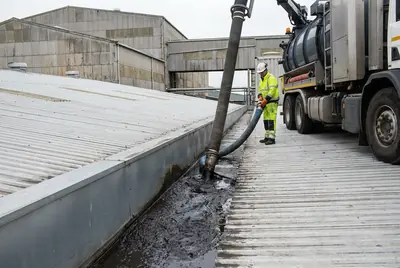
Eaves and internal gutters cleared on agreed dates, debris bagged and off site, downpipes flushed until they run.
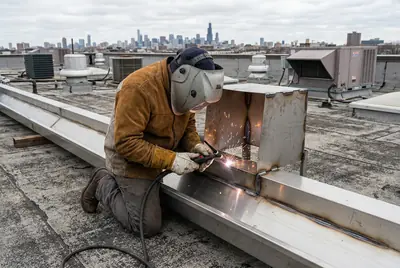
Split seams cut out and rewelded or resealed, movement joints rebuilt so thermal cycling stops reopening them.
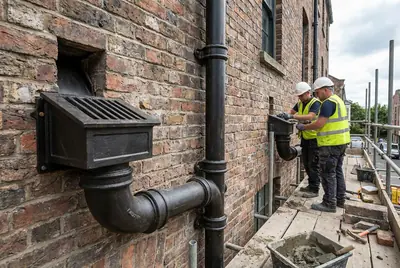
Blocked heads rodded or replaced, leaf grates fitted, discharge checked all the way to the drain it feeds.
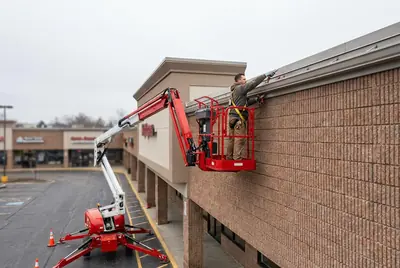
Boom and scissor lifts sized to the yard, harnessed operators, exclusion zones agreed with the site before wheels arrive.
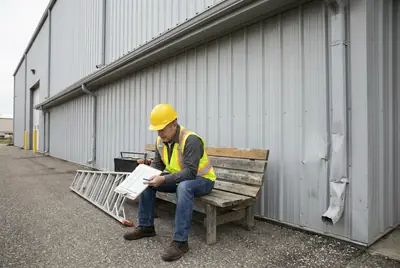
Fixed visits, storm priority and one renewal date across a whole portfolio, with a file of reports behind every building.
Plenty of buildings only need us once. The ones with tenants, deadlines and insurance renewals tend to prefer a standing arrangement. Here is the difference, plainly.
| One-off intervention | Service contract | |
|---|---|---|
| When something leaks | You call, we schedule the next open slot | Contract sites jump the queue, with a target response written into the agreement |
| How the price works | Quoted per intervention, after a survey | Fixed annual figure for the planned rounds, agreed rates for anything extra |
| Reporting | One photo report for the visit | A running file per building: condition notes, dates, photos and what to budget next |
| When storms roll through | Callouts taken in the order they land | Your buildings are checked and cleared first, before the phones start |
Contracts run per building or across a portfolio, and either way you keep one coordinator and one renewal date.
One call to (855) 629-1449 books the visit. A surveyor then walks the roof in Parker, meters the troughs, photographs defects and asks how the building trades before proposing anything.
Scope, price, access plan and dates on one document, inside 24 business hours. It names what can wait, too.
Crews arrive in the agreed window, nights or weekends where the site needs them, with insurance papers already sent ahead.
Before and after shots, quantities used and anything spotted for next time, filed to whoever signs the invoices.
| Line of work | Usual bracket | Behind the number |
|---|---|---|
| Survey and condition report | Named on the call | Defects, photos, quantities and a plan you can act on with anyone; any call-out charge is stated before the visit. |
| Contract cleaning, eaves and troughs | $2 - $5 / lin ft | Per round, debris removed from site, downpipes flushed through. |
| Joint and seam resealing | $9 - $19 / lin ft | Leaking laps cut back, cleaned and rebuilt along the affected length. |
| Trough relining, metal or membrane | $26 - $58 / lin ft | The right liner for the trough and the budget, stated in the proposal. |
| Overflow emergency callout | $380 - $950 | Attendance, clearing the blockage and making the run safe until the planned fix. |
Eaves height, roof access and how many seasons of debris are sitting in the trough all move these brackets. The survey pins them down, and hearing the figure commits you to nothing.
Commercial gutters live at commercial heights, so the boring parts of this trade are the ones we take most seriously. Crews work from boom lifts, scissor lifts or fixed edge protection depending on the building, harnessed where the roof demands it, and the access plan is written into the proposal rather than improvised in the yard on the morning.
We carry the insurance a landlord expects a roof contractor to carry, and certificates and attestations go out on request before anyone mobilizes. Where a site runs inductions, badges or permit-to-work rules, tell the coordinator once and every crew we send after that arrives already knowing the drill. The paperwork is never the obstacle; a wet stockroom is.
Yes, and most of our work runs that way. Purchase order references go on the proposal and the invoice, payment terms are agreed before the first visit, and a portfolio can be billed per building or on one consolidated account, whichever your bookkeeping prefers.
Ask the coordinator and it lands in your inbox before the crew is scheduled around Parker. Landlords, agents and principal contractors all get the same documents, made out the way their lease or contract requires.
Yes. Retail, healthcare and busy loading yards often leave no other choice, so off-hours windows are part of the proposal, not a surcharge sprung on you later. The site tells us when it can breathe and we plan inside that.
Almost never. Gutter work happens from the roof and from lifts standing outside the walls, so the inside of the building keeps running. Where an internal gutter does force access from within, it is planned with your facility contact around the operations below.
Inside 24 business hours of the survey. It covers scope, price, access and dates in one document, and it is written so a board or an owner who never saw the roof can still follow the reasoning.
That is what most of our contracts do. Each building keeps its own schedule, condition file and reports, while the portfolio shares one coordinator, one rate card and one renewal date.
Terrain first, addresses second: the linked pages beneath the map spell out each community a crew can be routed to from this base.
| Standing | Incorporated place |
|---|---|
| ZIP codes | 80134, 80138 |
| Population | 52,563 |
| Land area | 22.4 sq mi |
| Density | 2,341 residents per sq mi |
| Median household income | $110,779 |
| County | Douglas County |
| State | Colorado |
| Census region | West |
| Country | United States |
| Wikipedia | https://en.wikipedia.org/wiki/Parker,_Colorado |
One survey puts your building on the route sheet. The rest is planning.
Call (855) 629-1449