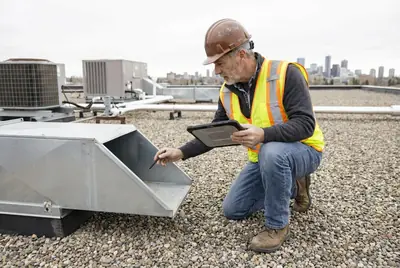
Roof and gutter surveys
Trough walked end to end, outlets probed, falls checked, every defect photographed and priced in one document.

Buildings in Yonkers sit on our route sheet for Westchester County: surveyed, repaired and cleaned under contract, with a report after every visit.
The call costs nothing and commits you to nothing. Where a survey carries a call-out charge, the coordinator names it before the visit is booked; the proposal follows in writing.
Keeping your building dry starts with ensuring those metal channels along the roofline work perfectly to move rainwater away from the foundation. When these narrow paths clog or crack, water spills over the sides and can eventually rot your siding or damage the ground below. You need a functioning system to keep your property in good shape during heavy rainstorms.
Properly working roof drainage systems prevent expensive structural headaches by diverting heavy downpours safely away from the exterior walls. These systems protect your investment from water infiltration that often leads to mold or masonry decay in older buildings. A well-maintained setup provides you with true peace of mind because you know the structure remains safe from moisture buildup.
Getting these parts serviced quickly saves you from paying for major foundation repairs later on. You should look for local crews who understand how these pieces handle the specific weather patterns seen across the county. A reliable pro will inspect every seam and downspout to ensure everything stays aligned, which lets you avoid the stress of sudden leaks during a storm.
Watching for sagging sections or loose brackets often points to hidden issues that require immediate attention from a skilled hand. These signs mean that the system cannot manage the volume of water expected during typical weather in this metro area. Fixing these small problems now stops them from becoming much larger issues that threaten the building integrity.
Picking someone to handle these repairs means you must ask for a licensed and insured technician to avoid any legal risks. Checking that they follow local building codes ensures the work meets safety standards for this region. You want a team that brings the right tools to handle tall buildings and provides you with a clear written estimate before starting anything.
| Common issue | Resulting benefit of repair |
| Blocked downspouts | Prevents basement flooding |
| Cracked metal seams | Stops wall water damage |
| Sagging channels | Improves water flow efficiency |
Investing in these repairs helps you avoid the high price of replacing entire sections of your roof or damaged exterior walls. Since the median household income around here is about sixty-two thousand dollars, being smart about maintenance costs helps you keep your business budget on track. Getting multiple free quotes allows you to compare options and find the right match for your specific building needs.
Now is the time to address these drainage concerns before the next big storm hits the neighborhood. You deserve to work in a building that stays protected regardless of what Mother Nature brings our way. Simply describe your project to get your free quote and see how easy it is to keep your property in top condition without any extra hassle.
Long steel eaves and valley troughs that drain acres of roof. One failed outlet here does not stain a ceiling, it shuts an aisle. We keep the runs flowing and the racking dry.
Water over a shopfront costs trade the same hour it starts. Cleaning rounds land before the leaves do, and repairs go in before opening or after close.
Parapet and internal gutters above occupied floors call for quiet, planned work. Tenants get a notice, the manager gets a report, the leak gets an end date.
Gym halls, canteens and covered walkways with drainage nobody looks at until it drips on a corridor. Term breaks and weekends are when our lifts show up.
Boards need one accountable contractor, one schedule and paperwork the AGM can read. We price the whole set of buildings and report on each one separately.
Sites that never close and cannot smell of sealant in the morning. Work is staged wing by wing, agreed with facilities, documented for the operator.
Slide through the six lines of work. Every one ends with photos in your inbox.
Trough walked end to end, outlets probed, falls checked, every defect photographed and priced in one document.
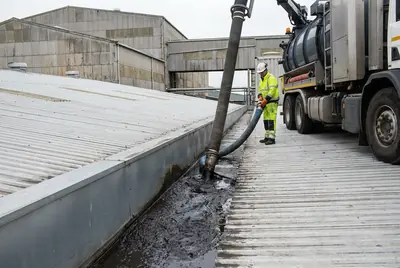
Eaves and internal gutters cleared on agreed dates, debris bagged and off site, downpipes flushed until they run.
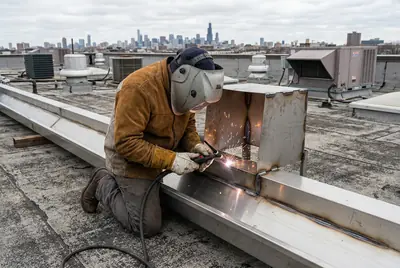
Split seams cut out and rewelded or resealed, movement joints rebuilt so thermal cycling stops reopening them.
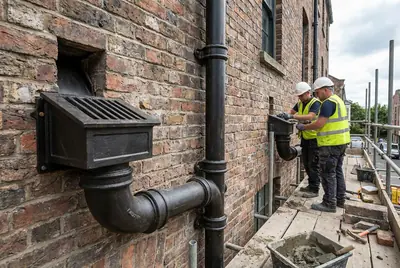
Blocked heads rodded or replaced, leaf grates fitted, discharge checked all the way to the drain it feeds.
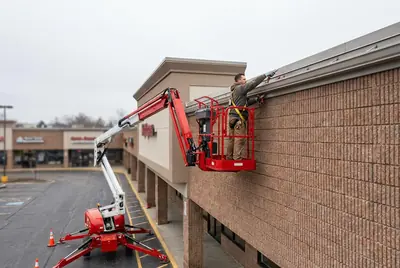
Boom and scissor lifts sized to the yard, harnessed operators, exclusion zones agreed with the site before wheels arrive.
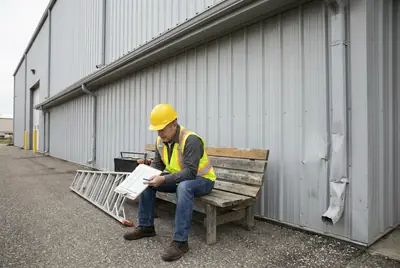
Fixed visits, storm priority and one renewal date across a whole portfolio, with a file of reports behind every building.
Plenty of buildings only need us once. The ones with tenants, deadlines and insurance renewals tend to prefer a standing arrangement. Here is the difference, plainly.
| One-off intervention | Service contract | |
|---|---|---|
| When something leaks | You call, we schedule the next open slot | Contract sites jump the queue, with a target response written into the agreement |
| How the price works | Quoted per intervention, after a survey | Fixed annual figure for the planned rounds, agreed rates for anything extra |
| Reporting | One photo report for the visit | A running file per building: condition notes, dates, photos and what to budget next |
| When storms roll through | Callouts taken in the order they land | Your buildings are checked and cleared first, before the phones start |
Contracts run per building or across a portfolio, and either way you keep one coordinator and one renewal date.
One call to (855) 629-1449 books the visit. A surveyor then walks the roof in Yonkers, meters the troughs, photographs defects and asks how the building trades before proposing anything.
Scope, price, access plan and dates on one document, inside 24 business hours. It names what can wait, too.
Crews arrive in the agreed window, nights or weekends where the site needs them, with insurance papers already sent ahead.
Before and after shots, quantities used and anything spotted for next time, filed to whoever signs the invoices.
| Line of work | Usual bracket | Behind the number |
|---|---|---|
| Survey and condition report | Named on the call | Defects, photos, quantities and a plan you can act on with anyone; any call-out charge is stated before the visit. |
| Contract cleaning, eaves and troughs | $2 - $5 / lin ft | Per round, debris removed from site, downpipes flushed through. |
| Joint and seam resealing | $9 - $19 / lin ft | Leaking laps cut back, cleaned and rebuilt along the affected length. |
| Trough relining, metal or membrane | $26 - $58 / lin ft | The right liner for the trough and the budget, stated in the proposal. |
| Overflow emergency callout | $380 - $950 | Attendance, clearing the blockage and making the run safe until the planned fix. |
Eaves height, roof access and how many seasons of debris are sitting in the trough all move these brackets. The survey pins them down, and hearing the figure commits you to nothing.
Commercial gutters live at commercial heights, so the boring parts of this trade are the ones we take most seriously. Crews work from boom lifts, scissor lifts or fixed edge protection depending on the building, harnessed where the roof demands it, and the access plan is written into the proposal rather than improvised in the yard on the morning.
We carry the insurance a landlord expects a roof contractor to carry, and certificates and attestations go out on request before anyone mobilizes. Where a site runs inductions, badges or permit-to-work rules, tell the coordinator once and every crew we send after that arrives already knowing the drill. The paperwork is never the obstacle; a wet stockroom is.
Yes, and most of our work runs that way. Purchase order references go on the proposal and the invoice, payment terms are agreed before the first visit, and a portfolio can be billed per building or on one consolidated account, whichever your bookkeeping prefers.
Ask the coordinator and it lands in your inbox before the crew is scheduled around Yonkers. Landlords, agents and principal contractors all get the same documents, made out the way their lease or contract requires.
Yes. Retail, healthcare and busy loading yards often leave no other choice, so off-hours windows are part of the proposal, not a surcharge sprung on you later. The site tells us when it can breathe and we plan inside that.
Almost never. Gutter work happens from the roof and from lifts standing outside the walls, so the inside of the building keeps running. Where an internal gutter does force access from within, it is planned with your facility contact around the operations below.
Inside 24 business hours of the survey. It covers scope, price, access and dates in one document, and it is written so a board or an owner who never saw the roof can still follow the reasoning.
That is what most of our contracts do. Each building keeps its own schedule, condition file and reports, while the portfolio shares one coordinator, one rate card and one renewal date.
Terrain first, addresses second: the linked pages beneath the map spell out each community a crew can be routed to from this base.
| Standing | Incorporated place |
|---|---|
| ZIP codes | 10701, 10702, 10703, 10704 and 2 more |
| Population | 199,745 |
| Land area | 18.0 sq mi |
| Density | 11,093 residents per sq mi |
| Median household income | $62,380 |
| County | Westchester County |
| State | New York |
| Census region | Northeast |
| Country | United States |
| Wikipedia | https://en.wikipedia.org/wiki/Yonkers,_New_York |
One survey puts your building on the route sheet. The rest is planning.
Call (855) 629-1449